International Women's Day: Date, History, and Global Significance
Every year, people across the globe turn their attention to a significant date that champions women's rights and celebrates their achievements:
International Women's Day. If you've ever wondered
when is Women's Day and why it holds such profound importance, you're not alone. Marked universally on
March 8th, this day has evolved from its radical roots in the labor movement to become a powerful global rallying point for gender equality and justice. It's a day for reflection, celebration, advocacy, and a stark reminder of the work that still needs to be done.
The Origins of International Women's Day: A Century of Struggle
The story of International Women's Day is not one of a single moment but rather a century-long narrative of persistent activism and the collective struggle for fundamental human rights. Its genesis lies firmly within the early 20th-century labor movements, where women workers courageously fought for dignity and equality.
From Labor Movements to a National Recognition
The seeds of what we now know as International Women's Day were planted in New York City in 1908. A pivotal moment occurred when 15,000 women factory workers marched through the city streets. Their demands were clear and revolutionary for the time: shorter working hours, better pay, and the right to vote. This audacious act of collective defiance highlighted the harsh realities faced by working women and ignited a spark for change.
Inspired by this powerful demonstration, the Socialist Party of America declared the first "National Woman's Day" a year later, in 1909. This marked a significant step, recognizing the need for a specific day dedicated to acknowledging and advancing women's causes within a national context.
Clara Zetkin's Vision: Taking the Fight Global
The idea to elevate this national observance to an international event came from a visionary German communist activist and staunch advocate for women's rights, Clara Zetkin. At the second International Conference of Working Women in Copenhagen in 1910, Zetkin proposed the establishment of an "International Women's Day." Her powerful suggestion resonated deeply with the 100 women from 17 countries present at the conference, who unanimously backed the idea. This momentous decision paved the way for a worldwide movement.
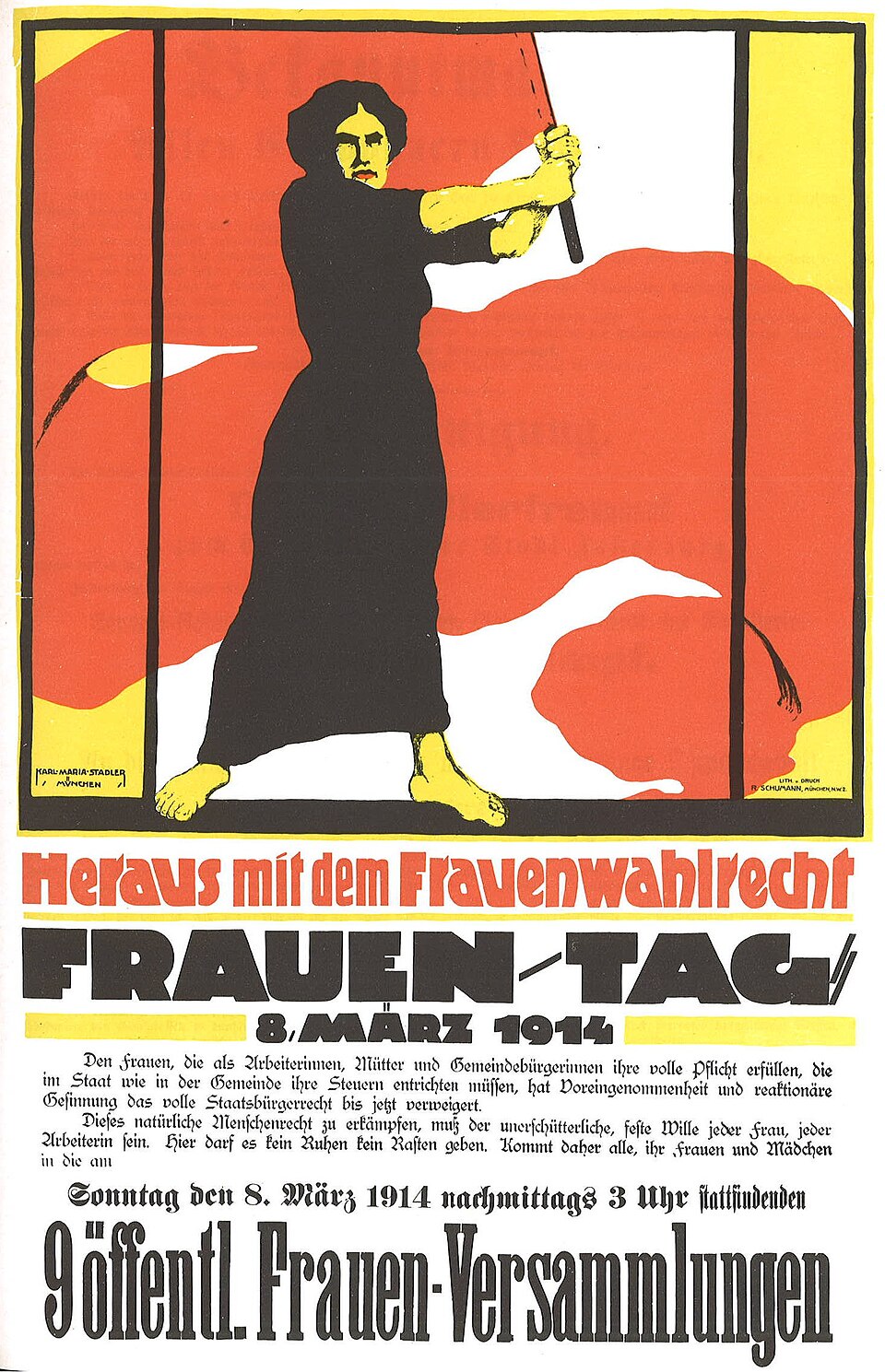
The first International Women's Day was subsequently celebrated in 1911 in several European countries, including Austria, Denmark, Germany, and Switzerland. These early celebrations were not just symbolic; they were platforms for women to press for their rights to work, vote, hold public office, and end discrimination.
The March 8th Connection: Bread, Peace, and a Calendar Shift
Interestingly, Clara Zetkin's original proposal for an international celebration was not tied to a specific date. The decision to fix
International Women's Day on
March 8th emerged from a profound historical event in Russia. In 1917, amidst the turmoil of World War I, Russian women initiated a wartime strike, demanding "bread and peace." Their courageous actions, starting on February 23rd according to the Julian calendar then in use in Russia, had an immediate and dramatic impact. Within four days, the tsar was compelled to abdicate, and the provisional government granted women the right to vote. For a deeper dive into these transformative events, explore
The Radical Roots of International Women's Day: March 8.
When translated to the Gregorian calendar, which was predominantly used in the rest of the world, February 23rd became March 8th. This serendipitous alignment cemented March 8th as the international date for Women's Day, symbolizing the power of women's collective action to bring about significant political and social change. Decades later, the United Nations officially recognized International Women's Day in 1977, having started marking the event in 1975. The UN's first adopted theme in 1996, "Celebrating the Past, Planning for the Future," perfectly encapsulates the day's dual purpose.
Beyond its historical origins, International Women's Day today serves a multifaceted global purpose. It's a unique occasion that simultaneously celebrates achievements and advocates for critical change.
A Day for Recognition and Celebration
International Women's Day is a powerful reminder to acknowledge and celebrate the extraordinary contributions of women across all spheres of life. It's a day to recognize women's achievements, both big and small, in every field imaginable – from science and politics to art, business, and community building. This recognition transcends national, ethnic, linguistic, cultural, economic, or political divisions, fostering a sense of global sisterhood and shared progress.
A Platform for Advocacy and Change
Crucially, IWD is not merely a day of celebration; it's a vital platform for advocating for women's rights and participation in political and economic arenas. It highlights the ongoing struggles for gender equality, drawing attention to areas where progress is stalled or even regressing. Over the years, the growing international women's movement, significantly strengthened by four global United Nations women's conferences, has leveraged this day to push for policy changes, challenge patriarchal norms, and demand an end to discrimination and violence against women.
Each year, the UN and various organizations adopt specific themes to focus global attention on particular challenges, from reproductive rights to economic empowerment and environmental justice. These themes provide a framework for discussions, debates, and actions that aim to accelerate gender parity.
Global Observances and Traditions
The way International Women's Day is observed reflects its deep cultural and political significance across diverse regions. From public holidays to unique cultural practices, the day resonates differently but with a unified spirit.
How the World Celebrates
In many countries around the world, March 8th is a national holiday, underscoring its importance. In China, for example, many women are advised by the State Council to take a half-day off work, a gesture of recognition and appreciation. Italy celebrates "Festa della Donna," where mimosa blossoms are a popular and meaningful gift, symbolizing strength and sensitivity. In Russia, flower sales typically double around International Women's Day, as people honor the women in their lives with bouquets.
Beyond these specific traditions, IWD events often see people wearing purple, green, and white. These colors have historical significance, originating from the Women's Social and Political Union (WSPU) in the UK. Purple signifies justice and dignity, green symbolizes hope, and white represents purity. These colors serve as a visual connection to the suffragettes and their enduring fight for women's suffrage and equality.
The Power of Collective Action
Globally, thousands of events take place on March 8th. These range from spirited marches and protests demanding equal rights to insightful talks, conferences, concerts, art exhibitions, and vibrant debates. These gatherings serve as crucial forums for marking progress, sharing stories, and strategizing for future advancements. They also offer opportunities for individuals and communities to express solidarity and reinforce the collective power of women and their allies.
The Enduring Relevance of International Women's Day Today
Despite significant strides in women's rights over the past century, the relevance of International Women's Day remains as strong as ever. The global landscape presents both opportunities for progress and pressing challenges that demand continued attention and action.
Addressing Modern Challenges
Today, International Women's Day serves as a critical opportunity to highlight the erosion of women's rights in various parts of the world. Conflicts and instability, as warned by the UN, often disproportionately impact women and girls, leading to cuts in essential services. From the ongoing fight for basic freedoms in Afghanistan, where girls above primary-school age remain banned from education, to the courageous struggles of women amid war and violence in Ukraine, and the fierce protests for fundamental rights in Iran and the Middle East, the day shines a light on these urgent crises. Gender-based violence and abuse also remain pervasive issues that IWD seeks to confront and eradicate.
Moreover, economic disparities persist globally. Women are often at the forefront of the fight against poverty, climate change, and various forms of discrimination. International Women's Day provides a platform to address these systemic issues, advocate for economic empowerment, and push for policies that ensure women's equal participation and leadership in all sectors.
Looking Ahead: Planning for a More Equitable Future
The call to action on International Women's Day is not just for governments and international bodies; it's for every individual. Here are practical ways to contribute to the ongoing journey towards gender equality:
*
Educate Yourself and Others: Learn about the history and current challenges women face globally. Share this knowledge with your networks.
*
Support Women-Owned Businesses: Economic empowerment is crucial. Seek out and support enterprises run by women.
*
Advocate and Speak Out: Use your voice to challenge sexism, discrimination, and gender stereotypes in your daily life.
*
Support Relevant Organizations: Donate time or resources to charities and NGOs working to advance women's rights and gender equality.
*
Attend Local Events: Participate in marches, talks, or community events to show solidarity and learn more.
*
Mentor and Be Mentored: Support women in their professional and personal growth journeys.
By actively participating and contributing, we can collectively work towards a world where gender equality is not just an aspiration but a lived reality for everyone.
Conclusion
International Women's Day on
March 8th is far more than just a date on the calendar. It is a powerful testament to the enduring spirit of women, a vibrant celebration of their achievements, and a critical call to action for a more equitable future. From its radical origins in the labor movement to its official recognition by the United Nations, IWD has consistently championed the cause of gender equality. As we mark this significant day each year, it serves as a crucial reminder of the progress made, the battles won, and the pressing challenges that still require our collective effort and unwavering commitment. The journey towards true gender parity is ongoing, and International Women's Day reinforces our shared responsibility to continue this vital work.